


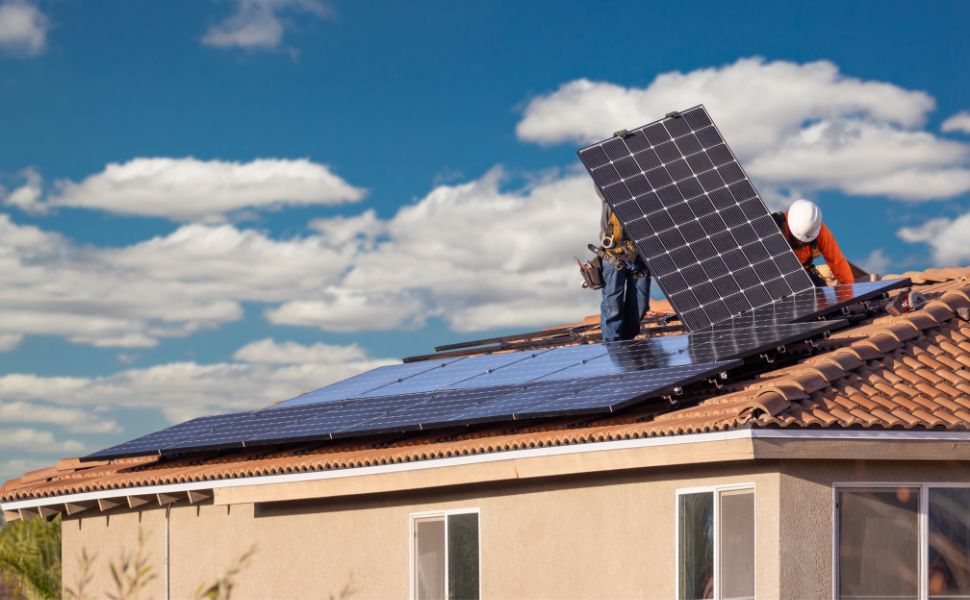
Introduction: Why 2025 Is the Best Time to Go Solar
Electricity prices across Australia continue to rise, and energy security has become a hot topic in almost every household. If you’ve been thinking about solar panels, 2025 could be your year. Not only are solar panels cost Australia 2025 estimates showing better value than ever before, but government support—through solar rebates Australia—remains strong. From Solar Victoria rebates to national incentives like STCs, there has never been a better time to explore how much you can save.
This guide breaks down everything Australian homeowners need to know about solar incentives Australia—how they work, how to qualify, and tips to maximise your investment. Whether you’re in Melbourne, Brisbane, or Perth, this is your go-to resource.
1. Understanding Solar Rebates and Incentives in Australia
Solar rebates reduce the upfront cost of installing panels or batteries. In 2025, there are two main categories:
Federal Small-scale Technology Certificates (STCs)
STCs are credits you earn when you install a solar power system under 100 kW. Your installer usually trades these on your behalf, so you see the discount at purchase.
Fast Fact:
For a 6.6 kW system in Victoria, STCs can cut around $2,500 off the price immediately.
State and Territory Programs
States add their own programs on top of STCs:
- Solar Victoria Rebates: Up to $1,400 plus an interest-free loan.
- NSW Solar Battery Rebate: Significant discounts on best solar battery Australia options.
- Queensland’s Battery Booster: Up to $3,000 toward storage.
- Smaller schemes exist in SA, WA, and the ACT.
Checklist: Steps to Apply for State Rebates
- Check your eligibility on the state website.
- Gather recent electricity bills and proof of residence.
- Choose a CEC-accredited installer.
- Submit your application early—funding can run out.
2. Solar Panel Costs and Savings in 2025
The average solar panel installation cost per kW Australia has dropped steadily. In 2025:
| System Size | Approx. Installed Cost | Est. Annual Savings* | Payback Period |
|---|---|---|---|
| 6.6 kW | $5,500 – $7,500 | $1,200 – $1,800 | 3–5 years |
| 10 kW | $9,000 – $12,000 | $2,000 – $2,800 | 4–6 years |
| 13 kW+ | $12,000 – $16,000 | $2,800 – $3,500 | 5–7 years |
*Based on typical feed-in tariffs and household usage.
Callout:
Comparing solar vs grid electricity cost Australia shows households can cut bills by 60–80%, especially if they consume power during daylight hours or add a battery.
3. Batteries: Storing Your Solar Power for Maximum Value
With declining feed-in tariffs, batteries have become a hot topic. Many homeowners search for the best solar battery Australia to store excess energy for nighttime use or during blackouts.
Why Batteries Make Sense in 2025
- Energy independence: Reduce reliance on the grid.
- Savings: Avoid peak evening electricity rates.
- Backup power: Essential in storm-prone or rural areas.
Tip:
Programs like Queensland’s Battery Booster or Victoria’s rebates make storage far more affordable. Search for cheaper home batteries program to see if you qualify.
Checklist: Choosing the Right Battery
- Pick a well-reviewed brand like Tesla Powerwall or LG Chem.
- Check warranty length (10 years is common).
- Ensure your inverter is compatible or consider a hybrid inverter.
- Ask your installer about Virtual Power Plant Australia programs—joining a VPP can earn you credits for sharing stored power.
4. Solar Technology and Emerging Trends
The technology behind solar is evolving rapidly:
Improved Panel Efficiency
Solar panel efficiency improvements mean today’s modules convert more sunlight into energy than ever before. High-efficiency panels are ideal for smaller roofs or shaded areas.
Building-Integrated Photovoltaics (BIPV)
In Australia, building integrated photovoltaics Australia is catching on. BIPV integrates panels directly into roofs or facades—great for new builds or homeowners after a sleek design.
Virtual Power Plants (VPPs)
By linking your battery to a network (Virtual Power Plant Australia), you can sell surplus energy back to the grid during peak times, earning extra income.
Solar + EV Charging Homes
Planning to buy an electric vehicle? Solar + EV charging home setups let you power your car with free solar energy—an increasingly popular option among Aussie families.
5. Rebates for Apartments and Shared Solar
Many think rebates are only for detached homes, but solar for apartments / shared solar is growing:
- Strata schemes can install shared rooftop systems.
- Virtual metering or solar gardens allow apartment dwellers to participate.
- State incentives still apply if eligibility criteria are met.
6. Sustainability Beyond Savings
Solar is about more than money:
- Solar Panel Recycling Australia: Programs now reclaim valuable materials to reduce waste.
- Solar Farm Projects Australia 2025: Large-scale projects boost the nation’s renewable energy targets, helping to lower carbon emissions.
Fast Fact:
Recycling ensures up to 95% of a panel’s materials are recovered—great news for the environment.
7. Tips to Maximise Your Solar Investment
Pre-Installation
- Compare quotes from at least three CEC-accredited installers.
- Check reviews (solar panel brands Australia review) for reliability.
- Plan your system size for future add-ons like batteries or EV chargers.
Post-Installation
- Monitor performance with Wi-Fi-enabled inverters.
- Clean panels annually or as needed.
- Join a Virtual Power Plant to earn extra credits.
Pro Tip:
Align heavy appliance use (dishwashers, washing machines) with daylight hours to maximise self-consumption.
8. Future Outlook for Solar Rebates in Australia
Rebates will gradually taper as installation costs fall, but 2025 remains generous. Large-scale solar farm projects Australia 2025 show government commitment, while home-focused programs like Solar Victoria rebates continue to bridge the gap for everyday Australians.
Analysts predict:
- More cheaper home batteries programs as storage adoption grows.
- Continued solar panel efficiency improvements to make smaller systems more powerful.
- Expansion of Virtual Power Plant Australia networks.
Conclusion: Don’t Miss Out on 2025’s Solar Opportunities
The combination of falling panel prices, generous solar incentives Australia, and advances in tech makes now the perfect time to invest. Whether you’re offsetting rising bills or future-proofing your home with a battery and EV charger, the savings and environmental impact are undeniable.
While this guide is purely educational, working with a trusted local installer ensures you’re matched with the right system and rebates. Explore your options, check your eligibility, and take advantage of solar rebates Australia before they shrink. A brighter, cleaner future—and lower power bills—are just a rooftop away.