


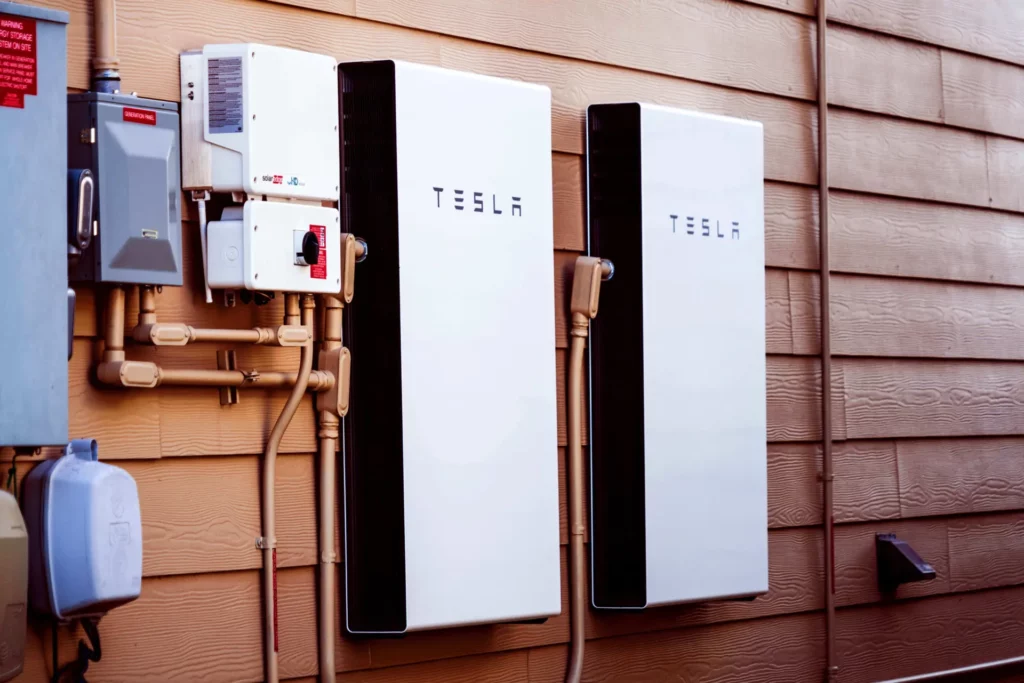
Introduction: The Rising Demand for Solar Storage
In 2025, solar batteries have moved from a “nice-to-have” feature to a smart investment for Australian homeowners. As energy prices climb, power reliability concerns grow, and government incentives expand, battery storage is transforming how households manage their electricity. Whether you’re already running a rooftop solar system or considering one for the first time, adding a battery can significantly increase your savings and energy independence.
This guide breaks down why solar batteries in Australia are worth considering in 2025, explores the latest technologies and rebates, and helps you decide if they’re the right fit for your home.
1. Lower Power Bills and Greater Energy Independence
A solar battery allows you to store excess energy generated during the day and use it when the sun isn’t shining. Instead of sending surplus power back to the grid for a small feed-in tariff, you can use your own stored energy at night when electricity prices are highest.
How It Works
- Daytime: Your panels generate electricity and charge the battery.
- Evening: The stored energy powers your home, reducing grid reliance.
- Blackouts: Many modern batteries provide backup power to keep essential appliances running.
Checklist: Ways to Maximise Battery Savings
- ✅ Program appliances like dishwashers and washing machines to run when your battery is full.
- ✅ Pair your battery with a time-of-use electricity plan to avoid peak rates.
- ✅ Monitor usage with a smart app or Wi-Fi-enabled inverter.
2. Government Incentives and Rebates Make Batteries More Affordable
Federal and state governments are offering significant rebates and programs to encourage homeowners to install solar batteries in 2025.
Federal Programs
- Small-Scale Renewable Energy Scheme (SRES): While primarily for solar panels, batteries paired with new installations may benefit indirectly.
State-Based Rebates
- Victoria: The Solar Homes Program offers rebates of up to $4,174 for battery installations.
- New South Wales: Rebates and low-interest loans through the Empowering Homes Program.
- Queensland: Subsidies under the Battery Booster Rebate Scheme.
Callout Box: Fast Fact
The Guardian reports a surge in household battery installations in 2025, fueled by generous subsidies and a push for cleaner energy.
3. Protection Against Blackouts and Rising Energy Prices
Australia has experienced several grid reliability issues due to extreme weather events, bushfires, and increased demand. A solar battery ensures that your home remains powered during outages, keeping critical appliances like refrigerators, lights, and Wi-Fi running.
Checklist: Preparing for Outages with a Battery
- ✅ Choose a battery with backup power capability.
- ✅ Ensure your installer configures essential circuits for backup mode.
- ✅ Keep your battery firmware updated for optimal performance.
Batteries also hedge against rising electricity costs. Instead of paying unpredictable grid prices, you’re using energy you already generated for free.
4. Participation in Virtual Power Plants (VPPs)
A Virtual Power Plant (VPP) connects multiple home batteries to create a network that can feed energy back into the grid during peak demand. Many Australian energy companies now offer VPP programs that provide homeowners with bill credits or cash payments for participating.
Benefits of Joining a VPP
- Earn money by sharing your stored energy.
- Support grid stability and renewable integration.
- Access premium battery deals from VPP partners.
Callout Box: Tip
Ask your installer if your battery model qualifies for Virtual Power Plant Australia programs before purchase.
5. Environmental Impact and Sustainability
Using stored solar power instead of grid electricity reduces reliance on fossil fuels and lowers greenhouse gas emissions. Batteries also help smooth out renewable energy supply, making the grid cleaner and more stable.
Australia’s growing focus on solar panel recycling and battery sustainability ensures that today’s investments will have responsible end-of-life options in the future.
6. Future-Proofing for EV Charging and Smart Homes
As electric vehicles become mainstream in Australia, pairing a solar battery with an EV charger allows you to fuel your car with solar energy instead of grid electricity. This setup drastically reduces your transport costs and emissions.
Checklist: Planning for the Future
- ✅ Consider solar + EV charging home integration now.
- ✅ Choose a battery with enough capacity to support future energy demands.
- ✅ Explore smart home features like automated load shifting to maximise savings.
7. Cost and Payback Periods in 2025
The cost of a quality solar battery in Australia ranges from $6,000–$14,000, depending on capacity and brand. While this may seem steep, rebates and bill savings can shorten the payback period to 5–8 years.
Factors Affecting Payback
- Your household energy usage patterns.
- Local electricity rates and feed-in tariffs.
- The size and efficiency of your existing solar system.
Callout Box: Fast Fact
Homeowners with 6.6 kW solar systems paired with batteries can save up to $1,800 per year on electricity bills.
8. Choosing the Best Solar Battery for Your Home
When selecting a battery, consider these factors:
- Capacity (kWh): Match your battery size to your daily energy use.
- Power Output (kW): Ensure it can handle your peak load.
- Warranty: Look for 10-year warranties or performance guarantees.
- Brand Reputation: Research the best solar battery Australia reviews.
- Compatibility: Make sure your battery works with your inverter and potential VPP programs.
Checklist: Steps to Select the Right Battery
- ✅ Compare at least three quotes.
- ✅ Check Clean Energy Council (CEC) approved products.
- ✅ Ask for performance data and monitoring options.
Conclusion: Batteries Are the Key to Smarter Solar in 2025
Solar batteries are no longer an optional upgrade—they’re a strategic investment for Australian homeowners. By storing your own energy, you can slash power bills, protect your home from outages, and even earn money through VPP participation. With generous government incentives and falling battery prices, 2025 is the perfect year to make the switch.
Whether you’re adding a battery to an existing solar system or planning a brand-new installation, choosing the right product and installer is essential. Partnering with a trusted, CEC-accredited solar provider ensures you’ll maximise rebates, enjoy long-term savings, and future-proof your home for the renewable energy revolution.